






Bleach is one of the most powerful and widely used cleaning agents in the world — but many people still wonder: is bleach a disinfectant, an antiseptic, or both? This comprehensive guide explores how bleach works, how to use it safely, and how it compares to other disinfectants like Lysol. Whether you’re cleaning your home or sanitizing surfaces during cold and flu season, understanding bleach disinfecting ratios and best practices is essential for effective hygiene.
Table Of Content
- Is Bleach a Disinfectant or Antiseptic?
- Is Bleach a Disinfectant According to the NHS?
- Is Bleach a Disinfectant Reddit Users Trust?
- How Much Bleach to 1 Liter of Water for Disinfecting?
- Water to Bleach Ratio for Disinfecting: Detailed Guide
- How Long Does It Take for Bleach to Kill Bacteria?
- Is Cleaning with Bleach Harmful?
- Is Lysol a Disinfectant?
- Alternatives to Bleach Disinfectants
- FAQs: Common Questions About Bleach as a Disinfectant
- Conclusion: Is Bleach a Disinfectant Worth Using?
Is Bleach a Disinfectant or Antiseptic?
The short answer: Yes, bleach is a disinfectant, but it is not an antiseptic.
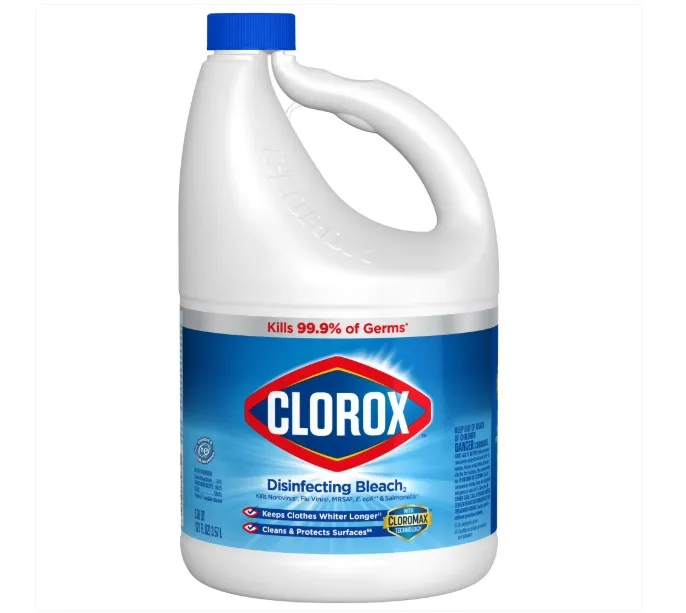
Bleach (commonly sodium hypochlorite) is a chemical disinfectant used to kill bacteria, viruses, fungi, and mold on hard, non-porous surfaces. It works by denaturing proteins and disrupting essential cellular processes, effectively destroying microorganisms.
However, bleach should never be applied to the skin or open wounds, as it is too harsh and corrosive — that’s why it’s not considered an antiseptic. Antiseptics are designed for safe use on living tissue, such as alcohol-based hand sanitizers or hydrogen peroxide for cuts.
In short:
✅ Bleach = Disinfectant (for surfaces)
❌ Bleach ≠ Antiseptic (not for skin)

Is Bleach a Disinfectant According to the NHS?
Yes. The NHS and other major health organizations confirm that bleach is a disinfectant suitable for killing bacteria and viruses on surfaces. According to NHS cleaning guidelines, a solution of household bleach and water can be used to disinfect frequently touched areas such as toilets, door handles, and countertops — especially during outbreaks of infectious diseases.
The NHS recommends:
Always dilute bleach before use.
Apply it only on hard, non-porous surfaces.
Ensure good ventilation while cleaning.
Never mix bleach with ammonia or acids, as this can produce toxic gases.
👉 For official NHS guidance, visit the NHS cleaning and disinfection page
.
Is Bleach a Disinfectant Reddit Users Trust?
Discussions on platforms like Reddit reveal mixed opinions about using bleach as a disinfectant. Many Reddit users agree that bleach is one of the most effective disinfectants for deep cleaning, particularly in kitchens, bathrooms, and during viral outbreaks.
However, some caution against its overuse due to potential health risks, like respiratory irritation or damage to fabrics and surfaces. Popular threads often recommend using bleach only when necessary and opting for milder alternatives (like vinegar or hydrogen peroxide) for everyday cleaning.
Takeaway:
Reddit users generally support bleach for disinfection, but emphasize proper dilution, ventilation, and caution when handling it.
How Much Bleach to 1 Liter of Water for Disinfecting?
One of the most common questions about bleach cleaning is: how much bleach should you use per 1 liter of water?
Here’s a simple guide:
Purpose Bleach-to-Water Ratio Approx. Strength
General surface disinfection 1:49 (20 ml bleach per 1 liter of water) ~0.1% sodium hypochlorite
Heavy contamination (e.g., vomit, blood) 1:9 (100 ml bleach per 1 liter of water) ~0.5% sodium hypochlorite
Food preparation areas 1:99 (10 ml bleach per 1 liter of water) ~0.05% sodium hypochlorite
Always check the bleach label for the concentration of sodium hypochlorite, as different brands vary. For most household bleaches (around 5% sodium hypochlorite), the above ratios are effective and safe for disinfection.
Water to Bleach Ratio for Disinfecting: Detailed Guide
Getting the water to bleach ratio for disinfecting right is essential for both safety and effectiveness. Too little bleach won’t kill germs effectively, while too much can cause damage or toxic fumes.
Recommended mixing steps:
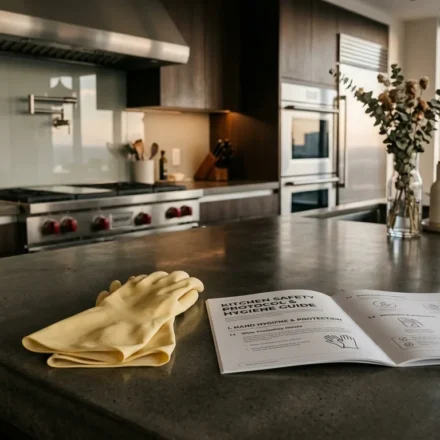
Put on gloves and ensure the area is well-ventilated.
Use cold water — hot water can reduce bleach effectiveness.
Mix bleach into water (never the reverse, to avoid splashing).
Label the solution clearly if you plan to store it.
Use within 24 hours; bleach solutions lose potency quickly.
Example:
To disinfect a kitchen counter, mix 20 ml (about 4 teaspoons) of household bleach in 1 liter of water, wipe the surface, leave for 5 minutes, and then rinse with clean water.
How Long Does It Take for Bleach to Kill Bacteria?
When used properly, bleach acts very quickly. It can kill most bacteria, viruses, and fungi in as little as 5 minutes, depending on the surface and organism.
Here’s a quick reference table:
Microorganism Type Contact Time (Approx.) Notes
Bacteria (e.g., E. coli, Salmonella) 1–5 minutes Effective for kitchen and bathroom cleaning
Viruses (e.g., flu, coronavirus) 1–10 minutes Leave to air-dry for best results
Mold and mildew 10–15 minutes Use undiluted or strong solution for visible mold
To ensure disinfection, allow bleach to stay wet on the surface for the recommended contact time before wiping away.
Is Cleaning with Bleach Harmful?
While bleach is an effective disinfectant, improper use can be harmful to health and surfaces.
Potential Hazards:
Respiratory irritation: Bleach fumes can irritate the lungs, especially in enclosed spaces.
Skin contact: Can cause burns or dryness; always wear gloves.
Corrosion: Can damage metals, painted surfaces, and fabrics.
Chemical reactions: Never mix bleach with ammonia, vinegar, or alcohol — these combinations release toxic gases.
Safety Tips:
Always dilute bleach properly.
Ensure good ventilation during cleaning.
Wear gloves and protective clothing.
Rinse surfaces thoroughly after disinfecting, especially in kitchens.
Store bleach in a cool, dark place away from children and pets.
If used responsibly, cleaning with bleach is not harmful and provides a high level of protection against germs.
Is Lysol a Disinfectant?
Yes — Lysol is a disinfectant, just like bleach, but it uses different active ingredients such as benzalkonium chloride or ethanol. Lysol products are designed to be less corrosive and easier to use for everyday disinfection.
Key Differences Between Bleach and Lysol:
Feature Bleach Lysol
Active ingredient Sodium hypochlorite Benzalkonium chloride / Ethanol
Use on surfaces Non-porous only Suitable for most household surfaces
Scent Strong chemical Mild, scented options
Eco-friendliness Harsh chemical Milder formulations available
Antimicrobial range Broad (bacteria, viruses, fungi) Broad (bacteria, viruses, fungi)
Both are effective disinfectants, but Lysol is more user-friendly for everyday cleaning, while bleach is best for heavy-duty disinfection and sanitizing after contamination.
Alternatives to Bleach Disinfectants
If you prefer less harsh cleaning options, several alternatives can disinfect effectively without chlorine:
Hydrogen peroxide (3%) – kills viruses and bacteria with no residue.
Rubbing alcohol (70%) – effective on electronics and small surfaces.
White vinegar – natural cleaner (though not a full disinfectant).
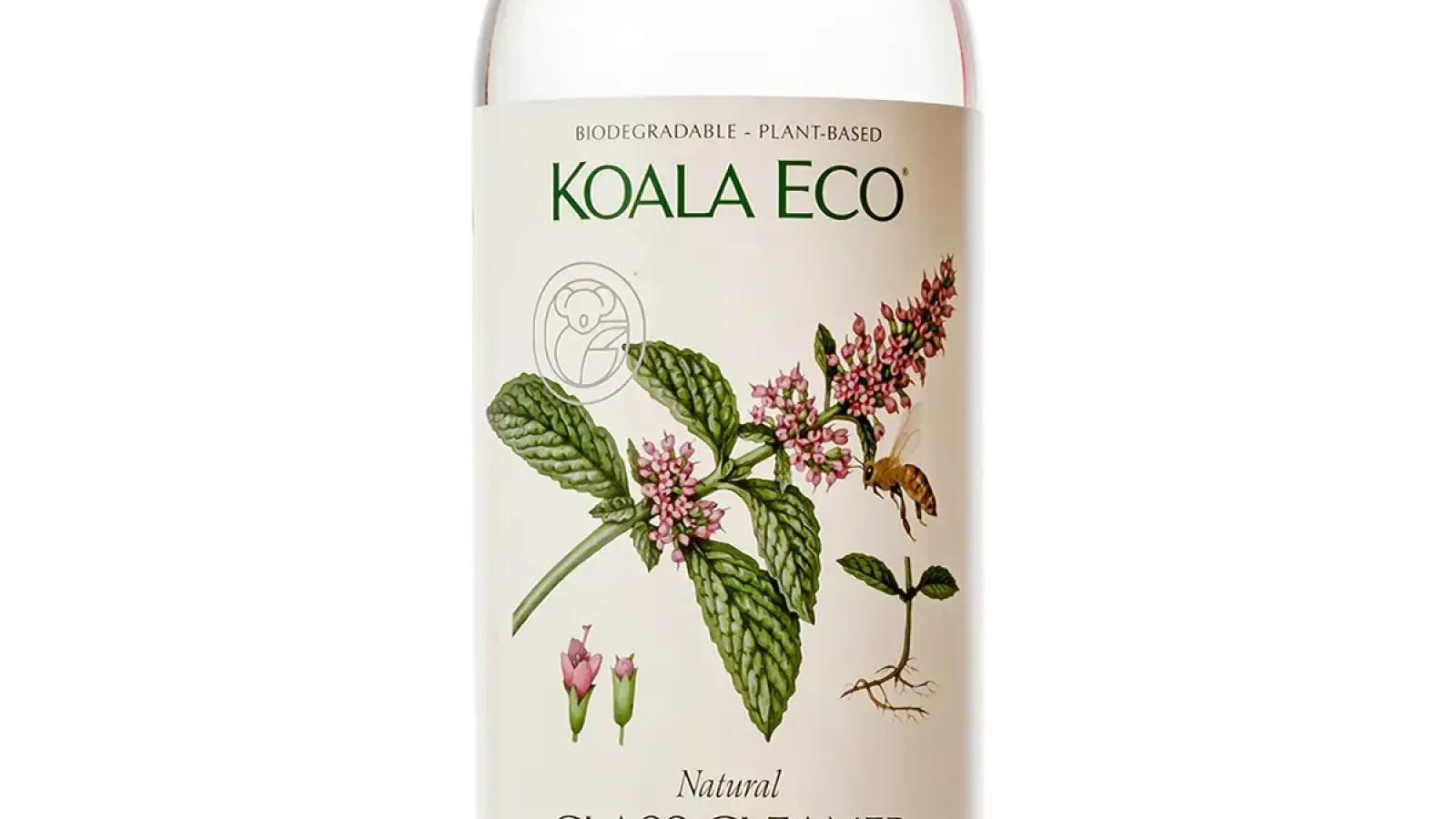
Eco-friendly disinfectant sprays – plant-based and biodegradable.
These are ideal for regular use where heavy bleaching isn’t necessary.
FAQs: Common Questions About Bleach as a Disinfectant
Q1: Is bleach a disinfectant or antiseptic?
Bleach is a disinfectant for hard surfaces — not an antiseptic for skin.
Q2: How long should bleach stay on a surface?
Typically 5–10 minutes for effective germ killing.
Q3: Can I mix bleach with soap?
Yes, mild dish soap and diluted bleach can be used together, but never mix with ammonia-based cleaners.
Q4: Does bleach expire?
Yes. Bleach loses potency after 6–12 months, especially if exposed to light or heat.
Q5: Can bleach kill viruses like COVID-19?
Yes. Properly diluted bleach kills coronaviruses and other enveloped viruses effectively.
Conclusion: Is Bleach a Disinfectant Worth Using?
So, is bleach a disinfectant? Absolutely — it’s one of the most powerful and reliable disinfectants available. From NHS recommendations to everyday cleaning routines, bleach remains a top choice for killing bacteria, viruses, and fungi on non-porous surfaces.
However, it’s crucial to use it correctly:
Always follow proper water-to-bleach ratios.
Keep it away from skin and fabrics.
Ventilate rooms while using it.
If you want heavy-duty cleaning and sterilization power, bleach is unmatched. For daily cleaning or sensitive environments, milder alternatives like Lysol or eco disinfectants may be more practical.
Used wisely, bleach offers an affordable, highly effective way to maintain a hygienic home and prevent the spread of infectious diseases.