






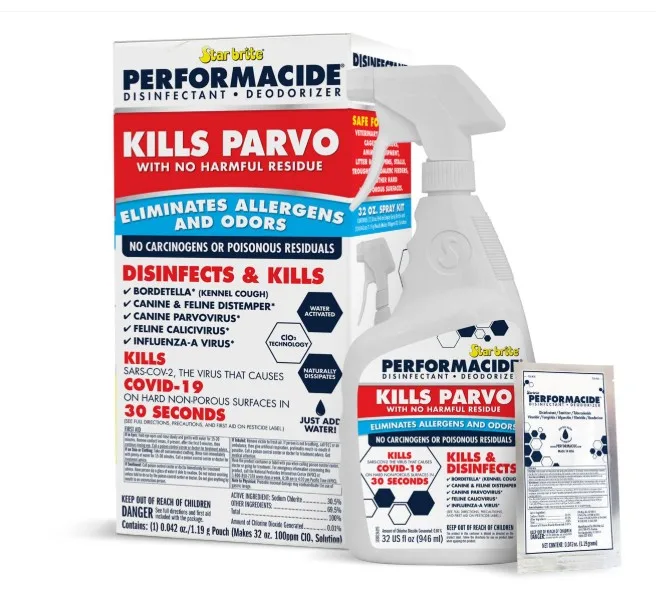
Bird flu, also known as avian influenza, poses a serious threat to poultry flocks — and effective bird flu disinfectant is a cornerstone of biosecurity. Whether you’re a backyard chicken keeper, a commercial poultry farmer, or working in a veterinary or agricultural context, choosing the right disinfectant is critical. In the UK, DEFRA approved disinfectant for Avian Flu is required in many cases, especially during disease control measures.
Table Of Content
- Why You Need a DEFRA-Approved Disinfectant for Avian Flu
- Best Bird Flu Disinfectant: Top DEFRA-Approved Products
- How to Choose the Best Bird Flu Disinfectant for Chickens
- How to Use Bird Flu Disinfectant Safely
- The Defra-Approved Disinfectant List: Why It Matters
- Bird Flu Disinfectant for Hobby Keepers vs Commercial Farms
- List of Defra-Approved Disinfectants for TB
- Common Misconceptions & Frequently Asked Questions
- Q: Can I just use bleach or household disinfectant for bird flu?
- Q: Is “natural” or “green” cleaner enough?
- Q: How do I check if a disinfectant is still approved?
- Q: Do I need to use a different disinfectant for TB?
- Conclusion: The Best Bird Flu Disinfectant Strategy
In this guide, we explore the best options, how to use them, and important regulatory considerations — covering everything from bird flu disinfectant for chickens to the Defra-approved disinfectant list (including TB).
Why You Need a DEFRA-Approved Disinfectant for Avian Flu
When dealing with bird flu outbreaks or high-risk periods, it’s not enough to use any generic cleaner or disinfectant. According to UK regulations, only a DEFRA approved disinfectant for Poultry (or more specifically, for Avian Influenza, under the Diseases of Poultry Order) may be used for disinfection in affected zones.
The Department for Environment, Food & Rural Affairs (DEFRA) maintains a rigorous approval scheme: manufacturers must submit their products for efficacy testing, dilution validation, and safety review.
Using an unapproved product can undermine disease control efforts, and may be non-compliant with statutory orders.

Best Bird Flu Disinfectant: Top DEFRA-Approved Products
Here are some highly regarded bird flu disinfectants that are DEFRA approved and commonly used in poultry settings:
- Virkon S: This is one of the most well-known and trusted DEFRA approved disinfectants for poultry. It’s effective against viruses, bacteria, and fungi, even in organic matter and low temperatures. Dilution rate for Avian Influenza (bird flu) is typically 1:225.
- FAM 30: A polyvalent iodophor disinfectant, FAM 30 is approved for avian influenza and TB, among others. It cleans and disinfects in one go, even in soiled conditions.
- GPC8 Disinfectant: A glutaraldehyde-based cleaner, GPC8 is effective at low dilution (1:50 for avian influenza) and retains residual activity, making it a strong choice for foot dips, housing, and equipment.
- Airocide PAAD: This peracetic acid-based biocidal disinfectant is DEFRA-approved for statutory notifiable disease control, including avian influenza.
- Defence 7: A ready-to-use chicken coop disinfectant specifically labelled for avian influenza. Dilution is 1 part to 100 parts water.
- Virophor 2.8%: A stabilised iodophor disinfectant, Virophor is particularly useful for poultry housing and foot dip applications, and is approved for both avian influenza and bovine TB.
- Safe4 Plus / Safe4 Concentrate: These formulations are also DEFRA-approved for poultry (including avian flu) according to Safe4’s own site.
- Progiene Tibicur: A powerful iodine-based disinfectant, approved for TB and Diseases of Poultry, making it a solid pick for farms dealing with multiple disease risk types.
- Avisafe Disinfectant: Especially useful in aviaries and for pet bird keepers, Avisafe can be diluted to 1 part in 10 parts of water to be effective against Avian Flu.
How to Choose the Best Bird Flu Disinfectant for Chickens
Selecting the right bird flu disinfectant for chickens depends on several factors:
- Application Type
- For housing and surfaces: glutaraldehyde products (like GPC8) or peracetic acid (like Airocide).
- For foot dips / wheel dips: iodophor or phenolic-based disinfectants.
- Dilution & Contact Time
- Follow the label exactly. For example, Virkon S at 1:225 and a contact time of ~10 minutes under cold or soiled conditions.
- Some disinfectants need reapplication if dilution is reused (e.g., foot dips).
- Organic Load Tolerance
- Farms are messy: choose disinfectants that remain effective in the presence of organic matter (like FAM 30).
- Regulatory Approval
- Only use products on the Defra-approved disinfectant list for notifiable disease orders.
- For TB, use a product approved under the Tuberculosis Order (e.g., Virophor 2.8% or Tibicur).
- Safety & Storage
- Consider human and animal safety. For instance, iodine-based products may stain; glutaraldehyde can be more hazardous.
- Store concentrates in secure, dry, cool places according to SDS instructions.
How to Use Bird Flu Disinfectant Safely
Implementing proper disinfection is not just about having the right product — it’s how you apply it:
- Clean First
- Remove all organic debris (droppings, litter) before disinfection. Disinfectants are more effective on clean surfaces.
- Use Correct Dilution
- Measure accurately and mix thoroughly. For example, to make a foot dip with Virkon S, you need one sachet diluted as specified.
- Apply & Contact
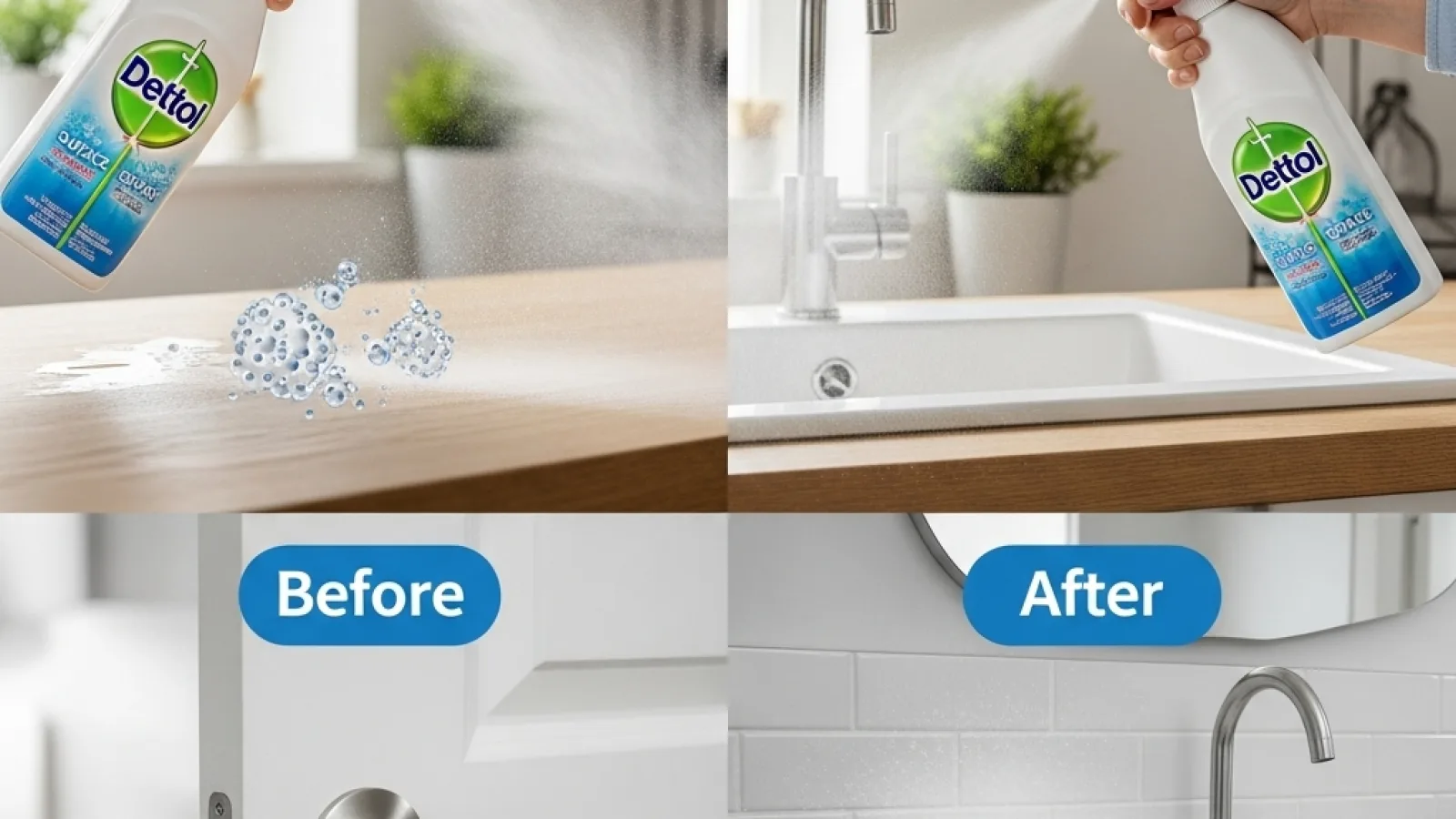
- Spray or immerse surfaces so that they remain wet for the required contact time. Often 10 minutes is needed, especially in colder conditions.
- Rinse or Dry
- Some disinfectants may require rinsing after application; check the label.
- Ensure treated areas dry fully before restocking birds.
- Manage Reuse
- Foot dips or wheel baths: replace or refresh the solution regularly to maintain efficacy.
- Disposal
- Dispose of used solution safely — do not pour into watercourses. Refer to the product’s Material Safety Data Sheet (MSDS).
- Wash hands and equipment after use.
The Defra-Approved Disinfectant List: Why It Matters
The Defra-approved disinfectant list is a legally and biologically important tool for controlling diseases like avian influenza and TB. The list shows:
- Approved products under specific orders (e.g., Poultry, TB).
- Approved dilutions for each use case (e.g., 1:50, 1:100, or more).
- Reassessment and renewal requirements — manufacturer must renew approval every two years.
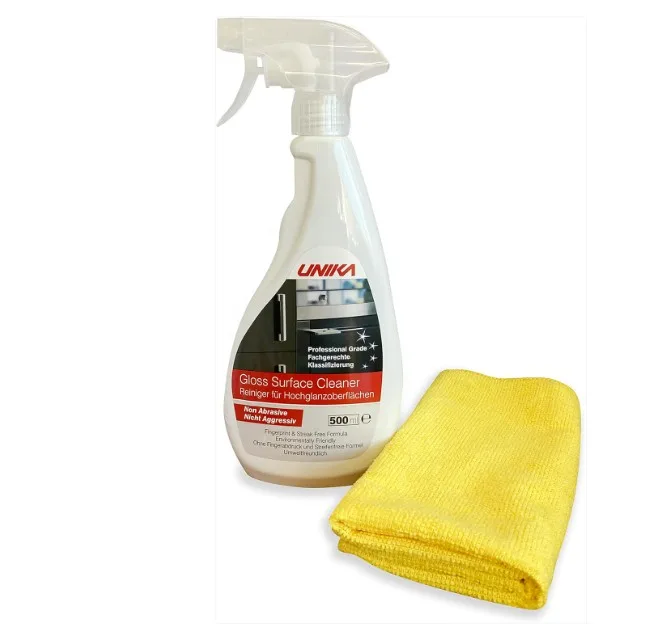
Before using any disinfectant in a notifiable disease situation, always double-check that the batch and formulation are still on the Defra list — approvals can change. Unika Gloss Surface Cleaner: The Ultimate Guide for High-Gloss and Matt Finishes
Bird Flu Disinfectant for Hobby Keepers vs Commercial Farms
- Hobby / backyard bird keepers: Small-scale disinfectants like Avisafe are ideal. They are easy to mix, safe around cages, and effective at killing avian influenza virus.
- Commercial farms: Need industrial-grade, high-capacity products like GPC8, FAM 30, or Airocide PAAD, plus biosecurity protocols (boot dips, wheel dips, cleaning stations).
- Mixed enterprises (e.g., small holding with livestock and poultry): Use multi-purpose disinfectants approved for both poultry and TB, like Virophor 2.8%, to streamline biosecurity.
List of Defra-Approved Disinfectants for TB
Not all bird flu disinfectants are effective against tuberculosis (TB), a separate disease order. Here are some DEFRA-approved disinfectants for TB:
- Virophor 2.8%: as mentioned, effective for both avian influenza and TB.
- Progiene Tibicur: iodine-based and approved for TB disinfection.
- (Plus other products on the statutory DEFRA list — check the most recent published list for updates.)
Using the correct TB-approved disinfectant is especially important in mixed-species farms or where bovine TB risk is present. Isopropyl Alcohol: Uses, Structure, and Availability in the UK
Common Misconceptions & Frequently Asked Questions
Q: Can I just use bleach or household disinfectant for bird flu?
Q: Is “natural” or “green” cleaner enough?
Q: How do I check if a disinfectant is still approved?
Q: Do I need to use a different disinfectant for TB?
Conclusion: The Best Bird Flu Disinfectant Strategy
To sum up:
- Use a DEFRA approved disinfectant for Avian Flu whenever dealing with bird flu risk or statutory control zones.
- Some of the best bird flu disinfectants include Virkon S, FAM 30, GPC8, Airocide PAAD, Defence 7, and Virophor 2.8%.
- For poultry keepers who also worry about TB, ensure your disinfectant is DEFRA-approved for TB (e.g., Virophor, Tibicur).
- Always follow the correct dilution, contact time, and biosecurity steps for effective disinfection.
Biosecurity is only as strong as your weakest link — combining good hygiene practices with the right DEFRA-approved disinfectant is the most reliable way to protect your flock and comply with regulations.