







Why Choose Eco-Friendly Floor Cleaning?
As a cleaning expert, I’m often asked about the best ways to keep a home spotless while also being mindful of health and the environment. The truth is, you don’t need harsh chemicals to achieve sparkling clean floors! Choosing eco-friendly cleaners for your house cleaning routine not only protects your family from potentially harmful substances but also reduces your environmental footprint. From improving indoor air quality to safeguarding local waterways, green cleaning is a win-win for everyone.
Table Of Content
- Why Choose Eco-Friendly Floor Cleaning?
- DIY Eco-Friendly Floor Cleaning Recipes
- 1. All-Purpose Vinegar & Water Solution (Hardwood, Tile, Laminate, Vinyl)
- 2. Baking Soda & Mild Dish Soap Solution (Tile, Linoleum, Vinyl – for tougher grime)
- 3. Gentle Cleaner for Natural Stone Floors (Marble, Granite, Travertine)
- Top Eco-Friendly Floor Cleaner Product Picks
- Recommended Brands and Products
- Essential Tools for Eco-Friendly Floor Cleaning
- Safe Cleaning Practices and Maintenance Tips
- Conclusion
DIY Eco-Friendly Floor Cleaning Recipes
Creating your own effective, natural floor cleaners is easier than you think. Always remember to do a patch test in an inconspicuous area first, especially with new recipes or delicate floor types.
1. All-Purpose Vinegar & Water Solution (Hardwood, Tile, Laminate, Vinyl)
This classic combination is incredibly effective for general cleaning. Vinegar is a natural disinfectant and deodorizer, while water provides the solvent base.
- Ingredients:
- 1 cup white vinegar
- 1 gallon warm water
- 10-15 drops essential oil (optional, e.g., lemon, tea tree for extra scent/antimicrobial boost)
- How to Use:
- Combine vinegar and warm water in a bucket. Add essential oils if desired.
- Dip a microfiber mop or cloth into the solution, wring it out thoroughly until just damp. Excessive moisture can damage many floor types, especially hardwood and laminate.
- Mop your floors in small sections, rinsing the mop frequently in clean water (a two-bucket system is ideal: one for solution, one for rinse water).
- Allow floors to air dry or wipe with a clean, dry cloth for a streak-free shine.
Note for Hardwood: While diluted vinegar is generally safe for sealed hardwood, some manufacturers advise against it over time due to potential dulling. For daily maintenance, a very mild dish soap solution (see below) or a specialized eco-friendly hardwood cleaner might be preferred.
2. Baking Soda & Mild Dish Soap Solution (Tile, Linoleum, Vinyl – for tougher grime)
For floors with more stubborn dirt or light grease, baking soda adds a gentle abrasive power, while mild dish soap cuts through grime.
- Ingredients:
- 1 tablespoon mild, biodegradable dish soap (e.g., Seventh Generation, Method)
- 1/4 cup baking soda
- 1 gallon warm water
- How to Use:
- Dissolve baking soda in warm water first, then add dish soap gently to avoid excessive suds.
- Apply with a damp microfiber mop or sponge.
- For stubborn spots, sprinkle a little dry baking soda directly onto the spot, spray with the solution, let sit for 5-10 minutes, then gently scrub with a soft brush or sponge.
- Rinse thoroughly with clean water to remove any soap residue.
3. Gentle Cleaner for Natural Stone Floors (Marble, Granite, Travertine)
Natural stone is porous and can be easily damaged by acidic cleaners like vinegar. Stick to very mild, pH-neutral options.
- Ingredients:
- 1-2 drops mild, pH-neutral dish soap
- 1 gallon warm water
- How to Use:
- Mix soap and water.
- Dampen a microfiber cloth or mop, wring out very well.
- Wipe down stone surfaces, then immediately dry with a separate clean, dry cloth to prevent water spots and protect the stone.
Top Eco-Friendly Floor Cleaner Product Picks
If DIY isn’t your style or you prefer the convenience of store-bought options, there are fantastic eco-friendly cleaners on the market. When choosing, look for products that are:
- Plant-Based and Biodegradable: Ingredients derived from natural, renewable resources.
- Free from Harsh Chemicals: Avoid ammonia, chlorine bleach, phthalates, parabens, and synthetic fragrances.
- Certified: Look for certifications like EPA Safer Choice, EWG Verified, or USDA Certified Biobased Product.
Recommended Brands and Products:
- Bona Hardwood Floor Cleaner (Free & Simple or other eco-friendly lines): Widely available and specifically formulated for hardwood, leaving no residue. Bona offers Greenguard Gold certified options.
- Method Squirt + Mop Hard Floor Cleaner: A popular choice for various hard floors, known for its pleasant, natural scents and plant-based ingredients.
- Seventh Generation Wood & Hard Floor Cleaner: Another reliable option, recognized for its commitment to plant-based formulas and environmental responsibility.
- Dr. Bronner’s Sal Suds Biodegradable Cleaner: A concentrated, versatile cleaner that can be diluted for floors. A little goes a long way!
Essential Tools for Eco-Friendly Floor Cleaning
The right tools can significantly enhance your cleaning efficiency and results, especially when paired with natural solutions.
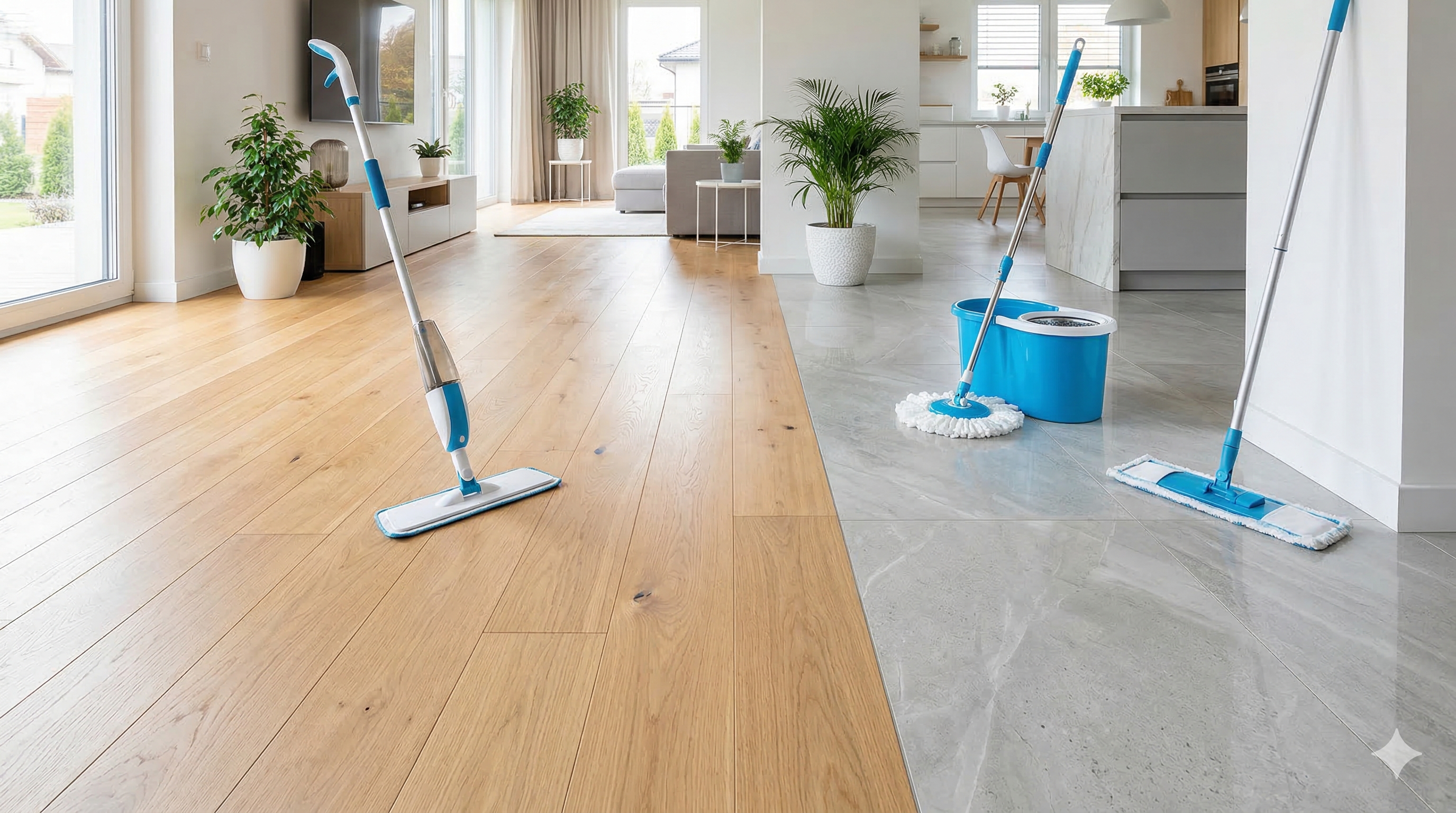
- Microfiber Mops and Cloths: These are superstars! Their tiny fibers trap dirt, dust, and grime effectively, allowing you to clean with less water and fewer chemicals. They are durable and washable, making them a sustainable choice for your home maintenance routine.
- Spray Mops: Great for quick clean-ups and controlled moisture application, which is crucial for sensitive floor types like hardwood and laminate.
- Two-Bucket System: Prevents you from spreading dirty water back onto your floors. Use one bucket for your cleaning solution and another for rinsing your mop.
- Vacuum Cleaner with HEPA Filter: Before wet cleaning, a good vacuum is essential to remove loose dirt and debris. A HEPA filter traps allergens and fine particles, improving your indoor air quality as part of your overall deep cleaning strategy.
- Soft-Bristled Scrub Brush: For tackling grout lines or tough spots on tile without scratching.
Safe Cleaning Practices and Maintenance Tips
Beyond the products and tools, adopting safe and smart cleaning habits is key to effective home maintenance.
- Ventilation: Even with natural cleaners, ensure good airflow by opening windows or using fans.
- Gloves: Protect your hands from prolonged exposure to water and cleaning agents.
- Patch Test: Always test any new cleaner (DIY or store-bought) in an inconspicuous spot.
- Proper Storage: Store all cleaning products, natural or otherwise, safely out of reach of children and pets.
- Regular Dusting and Vacuuming: Prevent dirt buildup by regularly sweeping or vacuuming. This reduces the need for intense wet cleaning and extends the life of your floors.
- Wipe Spills Immediately: Quick action prevents stains and moisture damage.
For more intensive tasks or if you prefer professional assistance, many professional cleaning services now offer eco-friendly options, ensuring a thorough clean without harsh chemicals.
Conclusion
Embracing eco-friendly floor cleaning is a simple yet impactful way to contribute to a healthier home and planet. Whether you choose to whip up your own DIY recipes or opt for trusted store-bought brands, you’ll be enjoying sparkling clean floors without compromise. Remember these cleaning tips for a truly green and gleaming home!
For more expert advice on house cleaning, deep cleaning, and sustainable home maintenance, be sure to explore more articles on our website.