







There are few things more disheartening than walking into a room only to discover a fresh, unsightly stain marring your beautiful carpet, beloved wooden table, or pristine stone countertop. It’s a common scenario, isn’t it? But what if you could approach every spill with confidence, knowing exactly how to tackle it like a seasoned professional? I’m here to tell you that you absolutely can. This comprehensive guide will equip you with the knowledge and actionable steps to banish even the toughest stains from your home, protecting your investments and preserving their beauty.
Table Of Content
- The Golden Rules of Stain Removal: Your First Line of Defense
- Fabric Fiascoes: Conquering Upholstery and Carpets
- Common Fabric Stains and Their Solutions
- Wood Woes: Restoring Beauty to Natural Surfaces
- Tackling Wood Stains
- Stone & Tile Troubles: Expert Solutions for Hard Surfaces
- Specialized Stone and Tile Stain Removal
- When to Call the Pros: Recognizing Limits
The Golden Rules of Stain Removal: Your First Line of Defense
Before we dive into specific types of stains and surfaces, it’s crucial to understand the universal principles that underpin all effective stain removal. These aren’t just cleaning tips; they are the foundation of successful house cleaning and accident management.
- Act Immediately: This is, without a doubt, the most critical rule. Fresh stains are significantly easier to remove than dried, set-in ones. The longer a stain sits, the deeper it penetrates the material, making removal exponentially harder.
- Identify the Stain and Surface: Knowing what caused the stain (oil, water, acid, pigment) and the type of surface (natural fiber, synthetic, sealed wood, porous stone) is paramount. This dictates the appropriate cleaning agent and technique. Using the wrong product can set the stain permanently or even damage the material.
- Test in an Inconspicuous Area: Always, and I mean always, test your chosen cleaning solution on a hidden spot first. This could be an underside of a cushion, a back corner of a rug, or an unseen part of a wooden leg. Wait a few minutes to ensure there’s no discoloration, bleaching, or damage.
- Blot, Don’t Rub: Rubbing a stain can spread it, push it deeper into the fibers, or even damage the surface texture. Instead, gently blot the stain with a clean, white cloth or paper towel. Work from the outside edges of the stain inward to prevent spreading.
- Rinse Thoroughly (Where Applicable): After treating a stain, it’s essential to remove all traces of the cleaning agent. Residual cleaner can attract dirt, leave a sticky residue, or even cause future discoloration.
Honestly, adhering to these rules will save you countless headaches and often prevent the need for more drastic measures or even professional cleaning services. They form the backbone of good home maintenance.
Fabric Fiascoes: Conquering Upholstery and Carpets
Fabrics are perhaps the most common victims of spills, from the morning coffee mishap to the evening wine disaster. Tackling these requires a delicate touch and the right agents. Remember to always check the fabric care tag first!
Common Fabric Stains and Their Solutions:
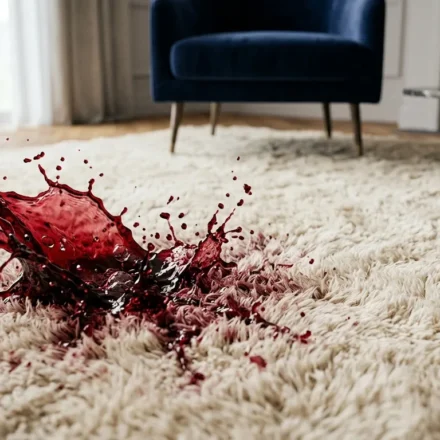
- Red Wine: Picture this: a Saturday evening, a glass of red wine tumbles onto your pristine cream carpet. Don’t panic! Blot up as much as you can. Then, pour a small amount of white wine over the stain (yes, really!), which helps neutralize the red pigment. Alternatively, apply a paste of baking soda and a little water, let it sit until dry, then vacuum. For tougher stains, a commercial oxygen-based stain remover (like OxiClean) or even hydrogen peroxide (test first!) can be effective on light-colored, colorfast fabrics.
- Grease/Oil: For fresh grease stains on upholstery or carpet, immediately blot with a paper towel. Then, sprinkle a generous amount of an absorbent powder like baking soda, cornstarch, or talcum powder over the stain. Let it sit for at least 15-30 minutes, or even overnight, to absorb the oil. Vacuum or brush away the powder. Repeat if necessary. Follow up with a tiny drop of dish soap mixed with water, gently blotting.
- Ink: Ink can be tricky. For ballpoint ink, a dab of rubbing alcohol applied to a clean cloth and blotted onto the stain often works wonders. For permanent marker, hairspray can sometimes help dissolve the ink, but always test on an inconspicuous area first. Work slowly, changing cloths frequently to avoid reapplying the ink.
- Coffee/Tea: Blot immediately. Mix one tablespoon of white vinegar with one tablespoon of liquid dish soap and two cups of warm water. Apply with a clean cloth, blotting the stain. Rinse by blotting with clear water. For stubborn coffee stains, a dilute solution of hydrogen peroxide (1 part peroxide to 3 parts water) can be effective on light-colored fabrics.
When dealing with delicate fabrics like silk or velvet, it’s often best to err on the side of caution and consult a professional. For everyday house cleaning, however, these cleaning tips are highly effective.
Wood Woes: Restoring Beauty to Natural Surfaces
Wood furniture, floors, and cabinetry add warmth and character to a home, but they are also susceptible to stains. Understanding the finish (sealed vs. unsealed) is key to successful treatment.
Tackling Wood Stains:
- White Water Rings: These are usually caused by moisture trapped in the finish, not in the wood itself. For sealed wood, a popular trick is to apply a dab of mayonnaise, petroleum jelly, or non-gel toothpaste to the ring. Let it sit for several hours or overnight, then wipe away and buff. The oil helps draw out the moisture. Another method is to lightly iron over a clean cotton cloth placed on the stain (use low heat, no steam, and keep the iron moving).
- Dark Water Stains: These indicate that moisture has penetrated the wood itself. For dark water stains, you might need something stronger. A solution of oxalic acid (available at hardware stores) can often bleach out dark water stains. Always follow product instructions carefully, wear protective gear, and ensure good ventilation. This is a more advanced technique, and sometimes light sanding and refinishing is the only complete solution.
- Grease/Oil: For surface grease, a cloth dampened with mineral spirits can often cut through the oil without damaging the finish, provided it’s sealed. For deeper stains, you might need to apply a poultice (a paste of an absorbent material like cornstarch mixed with mineral spirits) to draw out the grease.
- Ink: If the ink is fresh and on a sealed surface, a damp cloth with a tiny bit of dish soap might work. For older or more stubborn ink stains, a commercial wood cleaner designed for ink removal or, as a last resort, very fine steel wool (0000 grade) with wax or mineral spirits, applied gently in the direction of the grain, might be needed. This requires extreme care to avoid scratching.
Based on my experience, preventing wood stains through coasters, placemats, and regular dusting is the best form of home maintenance. Always remember to reseal any wood surface after a deep stain removal treatment if the finish has been compromised.
Stone & Tile Troubles: Expert Solutions for Hard Surfaces
Natural stone (marble, granite, travertine) and even some porous tiles require specific care due to their unique composition. They can be incredibly durable but also surprisingly sensitive to certain chemicals.
Specialized Stone and Tile Stain Removal:
- Oil-Based Stains (Cooking Oil, Grease, Makeup): These darken the stone. For oil-based stains, a poultice is your best friend. Mix an absorbent material (like baking soda, diatomaceous earth, or talcum powder) with a chemical solvent (mineral spirits for dark stone, hydrogen peroxide for light stone) to create a peanut butter-like consistency. Apply a thick layer over the stain, cover with plastic wrap, and tape down the edges. Let it sit for 24-48 hours. The poultice will dry and draw the oil out of the stone. Scrape off the dried paste and clean the area.
- Acidic Stains (Wine, Coffee, Fruit Juice, Vinegar): These can etch or dull the surface of acid-sensitive stones like marble or limestone. Act immediately by blotting up the spill. If etching occurs, it’s damage to the surface, not a stain. Small etches might be polished out with a marble polishing compound, but deep etches usually require professional re-honing and polishing. For non-acid-sensitive stones like granite or ceramic tile, standard cleaning solutions can work, but for natural stone, always opt for pH-neutral eco-friendly cleaners specifically designed for stone.
- Rust Stains: These are typically orange or brown and come from metal objects. Rust removers formulated specifically for stone (often containing oxalic acid or similar compounds) can be very effective. Be extremely careful, as some rust removers can etch certain stones. A poultice made with a rust-removing agent (like a commercial rust stain remover or even a very dilute solution of phosphoric acid, *with extreme caution and testing*) can also work.
Maintaining sealed stone surfaces is key. Regular sealing helps repel liquids and makes deep cleaning much easier. I believe that prevention is always better than cure, especially with valuable stone surfaces.
When to Call the Pros: Recognizing Limits
While DIY stain removal is incredibly empowering, there are times when it’s prudent to step back and call in the experts. Knowing your limits can prevent further damage and ensure the longevity of your home’s finishes.
So far we’ve covered numerous practical cleaning tips, but now let’s get to the really critical point: when not to DIY. If a stain is particularly large, has been present for a long time, or if the material is exceptionally delicate or valuable (think antique rugs, intricate woodwork, or expensive marble), attempting aggressive home remedies can do more harm than good. When you’ve tried appropriate methods without success, or if you’re unsure about the material or stain type, that’s your cue to seek professional cleaning services.
Professionals have access to specialized equipment, stronger (and safer, in expert hands) chemicals, and extensive experience with a vast array of materials and stain types. They can often tackle what seems like an impossible stain without damaging the underlying surface. For significant deep cleaning projects or persistent stain challenges, the investment in professional help is often well worth it for the peace of mind and superior results, ensuring your home maintenance is truly comprehensive.
Mastering stain removal is an essential skill for every homeowner, renter, and cleaning enthusiast. By understanding the nature of the stain, the surface it affects, and applying the right techniques with patience and precision, you can keep your home looking its best. Remember, quick action and the right approach are your most powerful allies. Don’t let spills dictate the beauty of your home; empower yourself with these strategies and maintain a sparkling, stain-free living space.