






Decoding Automatic Pool Cleaners: A Professional’s Guide
Maintaining a pristine swimming pool is a cornerstone of effective home maintenance, yet the thought of manual scrubbing can be daunting. Thankfully, automatic pool cleaners have revolutionized this chore, transforming it from a back-breaking task into a seamless part of your regular cleaning routine. But with so many options on the market, how do you choose the right one? In my experience, understanding the fundamental differences between robotic, suction, and pressure-side cleaners is critical to making an informed decision that truly benefits your pool and your lifestyle.
Table Of Content
- Decoding Automatic Pool Cleaners: A Professional’s Guide
- Robotic Pool Cleaners: The Independent Innovators
- Suction-Side Pool Cleaners: The Siphoning Stalwarts
- Pressure-Side Pool Cleaners: The Jet-Powered Sweepers
- Making the Right Choice for Your Home
- Key Factors to Consider
- Conclusion: The Smart Path to a Sparkling Pool
Each type offers distinct advantages and disadvantages, impacting not only the cleanliness of your pool but also your energy bills and overall maintenance effort. As a specialist at Clean & Cleaner, I’ve seen firsthand how the wrong choice can lead to frustration, while the right one saves both time and money. This guide will meticulously break down each category, providing the clear, actionable insights you need to select the perfect automatic cleaner for your pool’s unique demands.
Robotic Pool Cleaners: The Independent Innovators
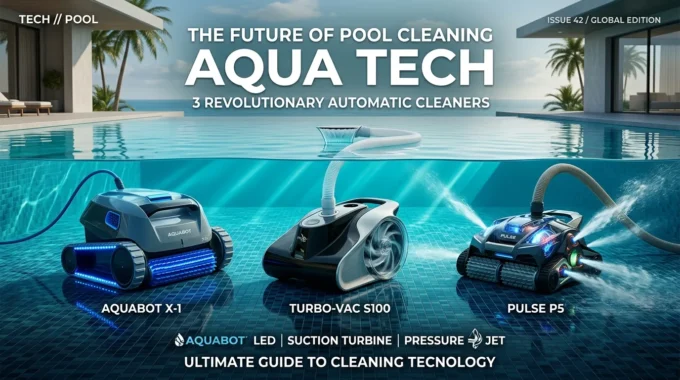
Robotic pool cleaners are, without a doubt, the most technologically advanced option available today. These self-contained units operate independently of your pool’s filtration system, powered by their own internal electric motors. When you deploy a robotic cleaner, you’re essentially unleashing a smart device that autonomously navigates your pool, scrubbing surfaces and filtering water with remarkable efficiency. They are truly the cutting edge of deep cleaning for pools.
How They Work: Robotic cleaners simply plug into a standard electrical outlet, often via a low-voltage transformer. Once submerged, they use sophisticated algorithms and sensors to map your pool’s layout, systematically cleaning the floor, walls, and even the waterline. Equipped with their own onboard filtration systems, they capture debris ranging from large leaves to microscopic particles, preventing them from ever reaching your main pool filter. This independent operation is a significant advantage, reducing wear and tear on your pool pump and filter, and often leading to lower energy consumption compared to other automatic cleaners.
- Pros:
- Energy Efficiency: Operate independently, saving on pool pump energy.
- Superior Filtration: Capture fine debris and silt with their own filters, easing the burden on your main pool filter.
- Comprehensive Cleaning: Many models scrub floors, walls, and waterlines, providing a thorough clean.
- Ease of Use: Simply drop in, plug in, and let it work.
- Cons:
- Higher Initial Cost: Generally the most expensive upfront investment.
- Manual Filter Cleaning: Requires regular emptying and cleaning of the internal filter basket or bags.
- Cable Management: The power cord can sometimes tangle, though swivel cables mitigate this.
For example, imagine this situation: You own a busy household and value convenience above all else. A model like the Dolphin Nautilus CC Plus, known for its “set it and forget it” operation, would be ideal. It maps your pool, climbs walls, and filters water without demanding your constant attention, making it a stellar choice for effortless home maintenance.
Suction-Side Pool Cleaners: The Siphoning Stalwarts
Suction-side cleaners are the most common and often the most budget-friendly automatic pool cleaner. These devices connect directly to your pool’s suction line, typically through the skimmer or a dedicated suction port. They harness the power of your existing pool pump to create a vacuum effect, drawing debris from the pool floor into your pool’s filtration system.
How They Work: As your pool pump runs, it pulls water (and anything in the cleaner’s path) through the cleaner’s hose. The cleaner moves randomly across the pool floor, relying on this suction to pick up leaves, dirt, and other debris. It’s a simple, elegant system that requires no additional power source beyond your pool pump. However, this also means that the cleaner’s effectiveness is directly tied to your pump’s power and runtime.
- Pros:
- Lower Initial Cost: Most affordable option upfront.
- Simple Design: Fewer moving parts generally mean less to break and easier repairs.
- Easy Setup: Connects to existing pool equipment.
- Cons:
- Increased Pool Pump Usage: Relies on your pool pump, potentially increasing electricity consumption and wear.
- Strains Pool Filter: All debris is sent to your pool’s main filter, requiring more frequent backwashing or cartridge cleaning.
- Limited Cleaning Capability: Primarily cleans the pool floor; less effective on walls or fine silt.
- Slower Cleaning: Coverage can be less systematic and often slower than robotic cleaners.
To be fair, for a smaller pool with light debris, a suction cleaner like the Zodiac MX8 can be a perfectly adequate solution. It’s a reliable workhorse, but you must be prepared for the added strain on your pool’s filtration system and potentially higher electricity bills from running your main pump for longer periods. Honestly, this is a trade-off many homeowners are willing to make for the initial cost savings.
Pressure-Side Pool Cleaners: The Jet-Powered Sweepers
Pressure-side pool cleaners stand apart by using water pressure, rather than suction, to move and collect debris. These cleaners connect to your pool’s return line or, more commonly, to a dedicated booster pump. They are particularly adept at handling larger debris and are often preferred in areas prone to heavy leaf fall.
How They Work: A pressure-side cleaner is propelled by the force of water jets. This pressurized water pushes the cleaner around the pool and creates a sweeping action that dislodges debris from the pool floor. Unlike suction cleaners, pressure cleaners don’t send debris to your main pool filter. Instead, they come equipped with their own attached filter bag where collected debris is stored. This significantly reduces the burden on your pool’s primary filtration system, making them an excellent choice for deep cleaning without stressing your main equipment.
- Pros:
- Independent Debris Collection: Filter bag captures debris, protecting your pool’s main filter.
- Excellent for Large Debris: Highly effective at picking up leaves, acorns, and other larger items.
- Consistent Cleaning: Propelled by jets, they maintain consistent movement and coverage.
- Cons:
- Requires Booster Pump: Most models need a separate booster pump (additional cost and energy consumption).
- Higher Energy Use: Running an additional booster pump adds to electricity bills.
- Can Miss Fine Silt: The sweeping action can sometimes stir up fine particles rather than collecting them.
- Noise: The booster pump can generate noticeable noise.
Let me add something here: while the need for a booster pump adds to the initial expense and ongoing energy costs, the independence from your main filter is a huge benefit for pool longevity. A classic example is the Polaris 280, which has been a staple in pool care for decades, especially in pools surrounded by trees. It excels at tackling heavy debris loads that would quickly overwhelm a suction cleaner’s system.
Making the Right Choice for Your Home
So far, we’ve covered the mechanics and general pros and cons of each type. Now let’s get to the really critical point: which automatic pool cleaner is right for your pool and your specific home maintenance needs? The answer isn’t one-size-fits-all; it depends on several key factors.
Key Factors to Consider:
- Your Budget: Consider both the upfront purchase price and ongoing operational costs (electricity, replacement parts). Robotic cleaners have a higher initial cost but often lower long-term energy bills. Suction cleaners are cheap to buy but can be expensive to run. Pressure cleaners fall in the middle, but factor in the booster pump.
- Pool Type and Size: Robotic cleaners are versatile for most pool types and surfaces. Suction cleaners are generally better for smaller, simpler pools. Pressure cleaners shine in larger pools with heavy debris.
- Type of Debris: Is your pool plagued by fine dust and algae (robotic excels here), or large leaves and acorns (pressure-side is king)? Suction cleaners are good for general, moderate debris.
- Energy Efficiency: If reducing your carbon footprint and electricity bills is a priority, robotic cleaners are often the most eco-friendly cleaners due to their independent operation.
- Existing Equipment: Do you already have a dedicated suction line or a booster pump? This could influence your decision, especially for suction and pressure cleaners.
- Desired Cleaning Scope: Do you need just the floor cleaned, or do you want walls and waterlines scrubbed too? Robotic cleaners typically offer the most comprehensive clean.
In my opinion, for most homeowners seeking optimal cleaning with minimal fuss and long-term energy savings, a robotic pool cleaner often presents the best overall value. Their efficiency and comprehensive cleaning capabilities make them an excellent investment in hassle-free cleaning tips. However, if your budget is tight and your pool has minimal debris, a reliable suction cleaner can serve you well. And what if your pool is consistently battling heavy leaf fall? Then a pressure-side cleaner, despite the booster pump requirement, could be your ultimate ally.
Conclusion: The Smart Path to a Sparkling Pool
Choosing the right automatic pool cleaner is more than just a purchase; it’s an investment in your home’s value, your leisure time, and the enjoyment of your swimming pool. By carefully weighing the distinct characteristics of robotic, suction, and pressure-side cleaners against your specific needs, you can make a decision that ensures crystal-clear water with minimal effort on your part. Whether you prioritize cutting-edge technology, budget-friendliness, or robust debris removal, there’s an automatic solution waiting for you.
Remember, a well-maintained pool enhances your outdoor living space and contributes significantly to overall home maintenance. Don’t hesitate to assess your pool’s unique challenges and your personal preferences. With the insights from this guide, you are now equipped to choose a cleaner that will keep your pool sparkling, allowing you to spend less time on chores and more time enjoying your aquatic oasis. For truly complex issues or specialized pool care, remember that professional cleaning services are always an option, but for everyday upkeep, an automatic cleaner is your best friend.