What Exactly is Vacuum Cleaner Suction Power?
As your trusted cleaning expert, I often get questions about how vacuum cleaners actually work to lift dirt and debris from our floors and surfaces. At its heart, it's all about suction power! This refers to the force a vacuum cleaner generates to pull air, along with dust, dirt, and pet hair, into its collection system. But measuring this power can be a bit confusing, especially with terms like kPa and Air Watts floating around. Don't worry, we're going to break it down so you can make informed decisions for your next house cleaning powerhouse!
Unpacking kPa: What Does Kilopascals Tell You?
kPa stands for kilopascal, and it's a unit of pressure. In the world of vacuum cleaners, kPa measures the static pressure or the "seal" suction – essentially, how strong the vacuum motor's pull is when the hose or nozzle is completely blocked or sealed against a surface. Think of it like a strength test for the motor itself. A higher kPa value generally means the motor has the potential to create a stronger vacuum seal. This is particularly useful for tasks like extracting dirt from deep within thick carpets or lifting heavy debris.
- What it's good for: Indicating raw motor strength and potential for deep extraction.
- What it doesn't tell you: How much air is actually moving through the vacuum, which is crucial for picking up everyday dust and debris efficiently.
Demystifying Air Watts (AW): The True Measure of Cleaning Power?
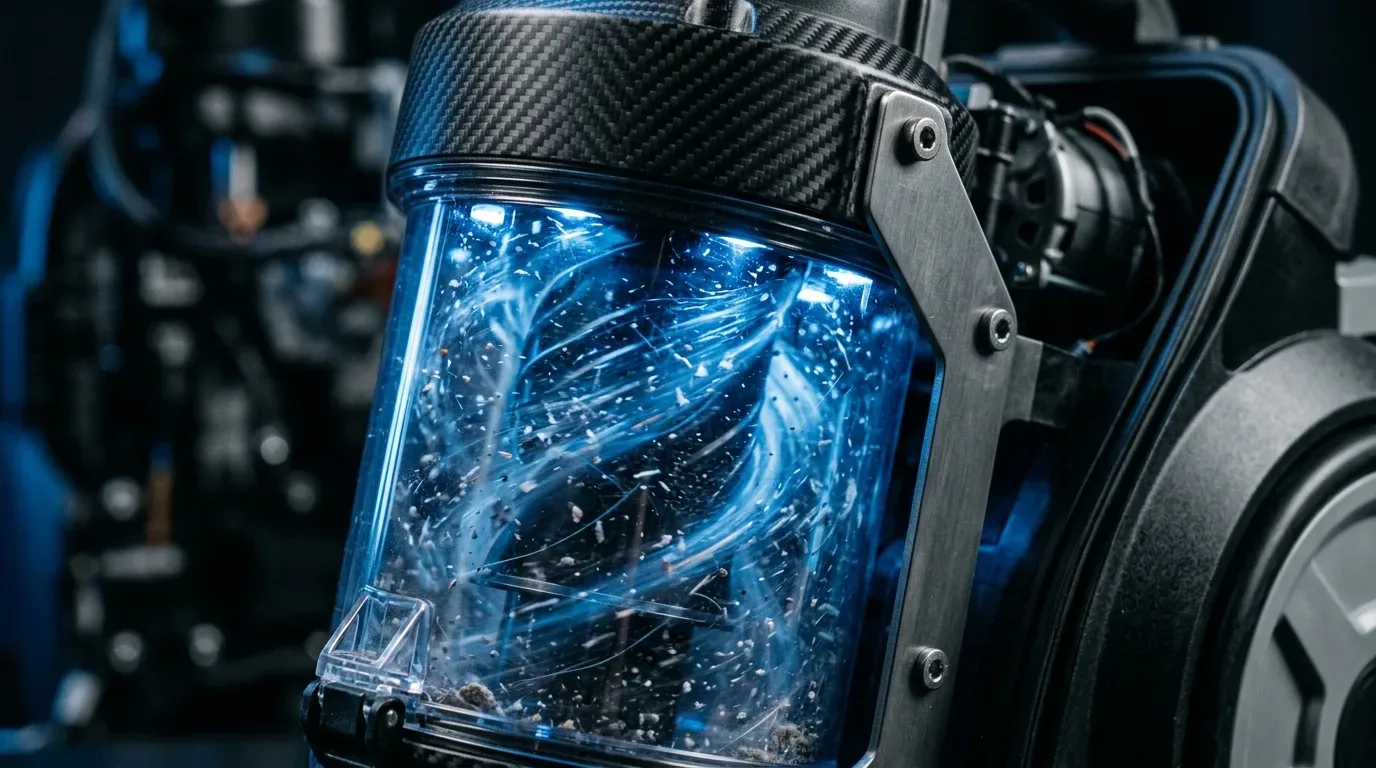
If kPa tells you about the motor's potential, Air Watts (AW) tells you about the actual, useful work the vacuum is doing. Air Watts is a calculation derived from both airflow (how much air moves through the system) and suction power (the pressure difference). It measures the power generated by a vacuum that is actually converted into useful cleaning work at the nozzle. It’s often considered a more practical and comprehensive metric because it accounts for both how hard the vacuum pulls and how much air it moves. A high Air Watt rating usually translates to excellent cleaning performance, making your deep cleaning tasks much easier.
- What it's good for: Providing a holistic view of a vacuum's cleaning effectiveness, considering both suction and airflow.
- Why it matters: A vacuum needs both strong suction to lift dirt and sufficient airflow to transport it into the dustbin. AW combines these.
kPa vs. AW: Which Metric Should You Trust More?
This is a common question, and my advice as an experienced housekeeper is to pay more attention to Air Watts (AW) when comparing vacuum cleaners for general home maintenance and everyday cleaning tips. While kPa indicates the raw strength of the motor, AW gives you a clearer picture of real-world cleaning performance. A vacuum with high kPa but low airflow won't pick up debris effectively, whereas a vacuum with a good AW rating is designed to efficiently lift and remove dirt.
Think of it this way: kPa is like how strong a car engine *could* be if it were revving in neutral. AW is like how much power is actually getting to the wheels to move the car forward. For effective house cleaning, you want power to the wheels!
What are Good kPa and AW Values for Different Cleaning Needs?
The "ideal" numbers vary based on your home and cleaning habits. Here's a general guide:
- Light Dusting & Bare Floors: For hardwood, tile, or laminate with minimal debris, a vacuum with 150-200 AW and 10-15 kPa is often sufficient. Airflow becomes very important here to sweep up light particles.
- Medium Carpets & Pet Hair: If you have pets or medium-pile carpets, aim for 200-300+ AW and at least 15-20 kPa. This level of power is crucial for extracting pet hair and embedded dirt.
- Thick Carpets & deep cleaning: For plush carpets, heavy-duty cleaning, or homes with multiple shedding pets, look for vacuums offering 300+ AW and 20-25+ kPa. These machines often come with powerful brush rolls to agitate and lift stubborn grime, making them excellent for deep cleaning.
Beyond kPa and AW: Other Factors Affecting Suction Performance?
While kPa and AW are vital, they aren't the only pieces of the puzzle. Several other factors contribute to a vacuum's overall cleaning power and efficiency:
- Motor Quality: A well-designed, efficient motor can provide better suction and airflow with less energy.
- Filtration System: Clogged filters drastically reduce suction. HEPA filters are great for air quality but need regular cleaning or replacement.
- Brush Roll (Beater Bar): Especially for carpets, a powerful, well-designed brush roll agitates fibers, loosening dirt for the suction to pick up.
- Sealing & Airflow Path: Leaks in the hose, dustbin, or attachments can severely diminish effective suction. A well-sealed system ensures all the power goes where it's needed.
- Hose & Nozzle Design: Wider hoses and well-designed nozzles can improve airflow and prevent clogs, maintaining consistent suction.
- Bag/Dustbin Capacity & Fullness: A full dustbin or bag will restrict airflow and reduce suction power. Regular emptying is key!
- Maintenance: Regular cleaning of filters, brush rolls (removing tangled hair), and checking for blockages is essential for maintaining optimal suction. This is a core part of good home maintenance.
How Can I Maximize My Vacuum's Suction Power?
Even the best vacuum can lose efficiency if not properly maintained. Here are some cleaning tips to keep your machine performing its best:
- Empty Regularly: Don't wait until the dustbin is overflowing. A partially full bin can already impede airflow.
- Clean or Replace Filters: Follow manufacturer guidelines. Clogged filters are the number one culprit for reduced suction.
- Clear Brush Roll: Remove hair, strings, and debris tangled around the brush roll. This not only improves suction but also protects the motor.
- Check for Clogs: Periodically inspect the hose, wand, and nozzle for blockages.
- Use the Right Attachments: Specific attachments are designed for different surfaces and tasks, optimizing suction where needed.
By understanding what kPa and Air Watts mean, and by maintaining your vacuum diligently, you're well on your way to a cleaner, healthier home. If you're ever in doubt about the right cleaning tools for a specific job, or if your home requires specialized care, don't hesitate to consider professional cleaning services for expert assistance.