
The Foundation of Flawless Pool Ownership: Why Seasonal Care Matters
Maintaining a swimming pool is more than just skimming leaves; it's an investment in your home, your leisure, and your health. A truly pristine pool requires a dedicated approach, particularly when it comes to seasonal transitions. While routine daily or weekly tasks keep your water clear, it's the meticulous seasonal pool maintenance—the opening in spring and the closing in fall—that truly dictates the longevity of your equipment, the quality of your water, and ultimately, your enjoyment throughout the swimming season. Neglecting these critical periods can lead to costly repairs, persistent algae issues, and a significantly reduced lifespan for your pool's components.
Think of seasonal pool care as the equivalent of a comprehensive deep cleaning for your entire home. It’s not just about aesthetics; it's about preventative home maintenance that safeguards your investment. Proper opening ensures a healthy start, preventing issues before they take root, while a thorough closing protects your pool from the harsh elements of winter. Honestly, skimping on these steps is a false economy, often leading to more expense and frustration down the line. Based on my experience, a well-executed seasonal plan is the cornerstone of effortless pool ownership.

Spring Awakening: Your Comprehensive Pool Opening Guide
As the days lengthen and the air warms, the thought of diving into your own backyard oasis becomes irresistible. However, a successful pool opening is far more than simply pulling off the cover and turning on the pump. It's a systematic process that sets the tone for your entire swimming season, ensuring sparkling, safe water from day one. Let's walk through the essential steps.
Pre-Opening Preparations: Setting the Stage
Before you even think about chemicals, prepare the environment. Carefully remove your winter cover, brushing off any debris, leaves, or standing water from the top before removal to prevent it from falling into the pool. If your cover is solid, you might need a small submersible pump to remove water. Once off, clean and dry the cover thoroughly before folding and storing it to prevent mildew and damage. Next, remove any winterizing plugs from your skimmer and return lines, replacing them with the proper return fittings and skimmer baskets. This initial tidying is a critical step in achieving a pristine pool.
The Core Opening Steps: From Green to Gleam
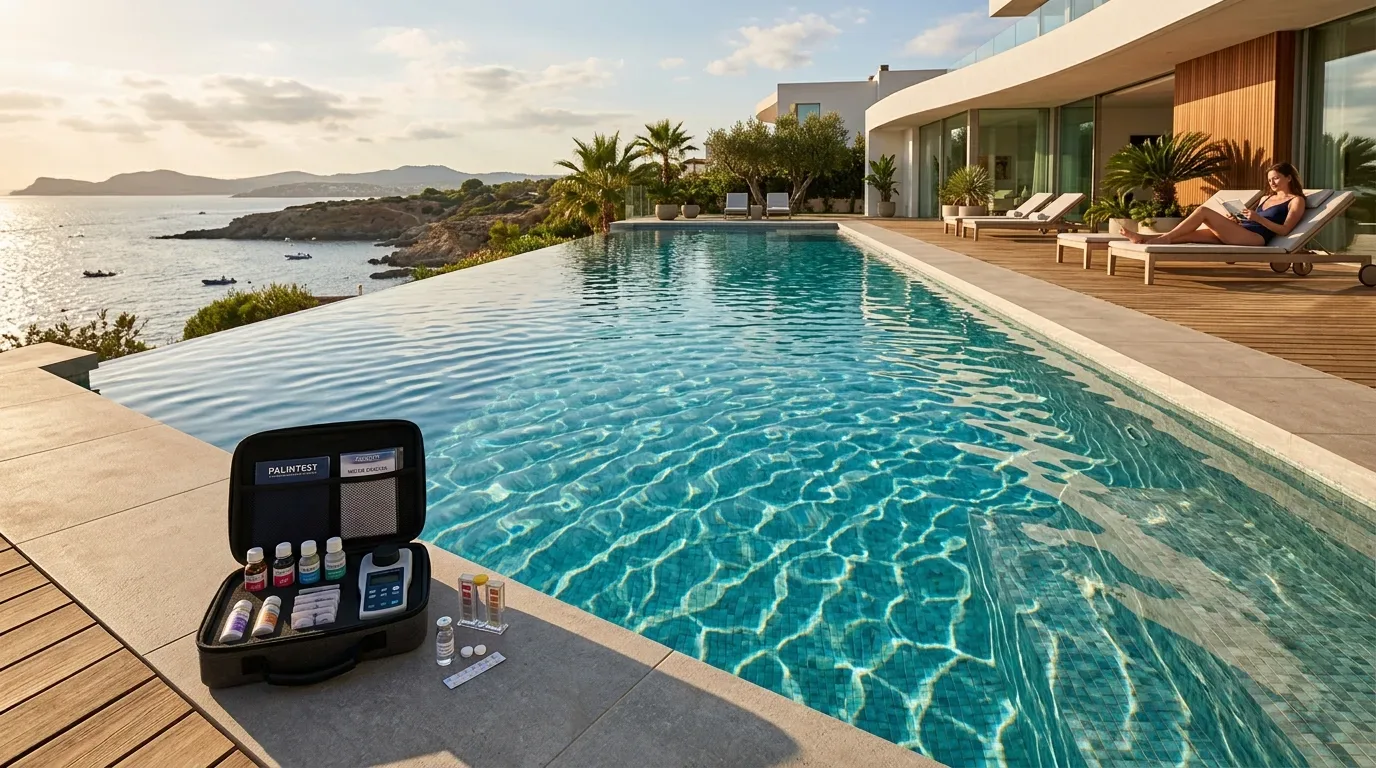
With the cover off, it’s time to assess your water level. If it's low, top it up to the middle of your skimmer opening. Reinstall your drain plugs in the pump and filter, and reconnect all plumbing and equipment. Power up your filter system, making sure it’s running smoothly and quietly. Now for the water chemistry – this is where many people get into trouble. From my experience, rushing the chemical balance during opening is one of the most common pitfalls. You'll need a reliable test kit (liquid kits like LaMotte or Taylor are more accurate than strips for initial balancing) to check your pH, alkalinity, and calcium hardness.
Your target ranges are typically: pH between 7.4-7.6, alkalinity between 80-120 ppm, and calcium hardness between 180-220 ppm. Adjust these in order: alkalinity first, then pH, then calcium hardness. Once these are balanced, it's time to shock the pool with a granular chlorine shock (e.g., calcium hypochlorite or dichlor) according to product instructions, usually at dusk to maximize effectiveness. For example, imagine this situation: you've just shocked your pool, but didn't bother to test the pH first. A high pH can render your shock significantly less effective, leading to an uphill battle against algae for weeks! After shocking, run your filter continuously for 24-48 hours, brushing the walls and floor thoroughly daily to dislodge any clinging algae or debris. Utilize a powerful pool vacuum, such as a robotic pool cleaner like the Dolphin Nautilus CC Plus or a manual vacuum connected to your skimmer, for efficient debris removal. This initial deep cleaning is essential.
Summer & Fall Maintenance: Keeping the Sparkle Alive
Once your pool is open and sparkling, the goal shifts to maintaining that brilliance throughout the swimming season. Consistency is key here. Regular house cleaning for your pool prevents small issues from escalating into major headaches, ensuring your water remains inviting and healthy.
Routine Summer Care: Daily to Weekly Tasks
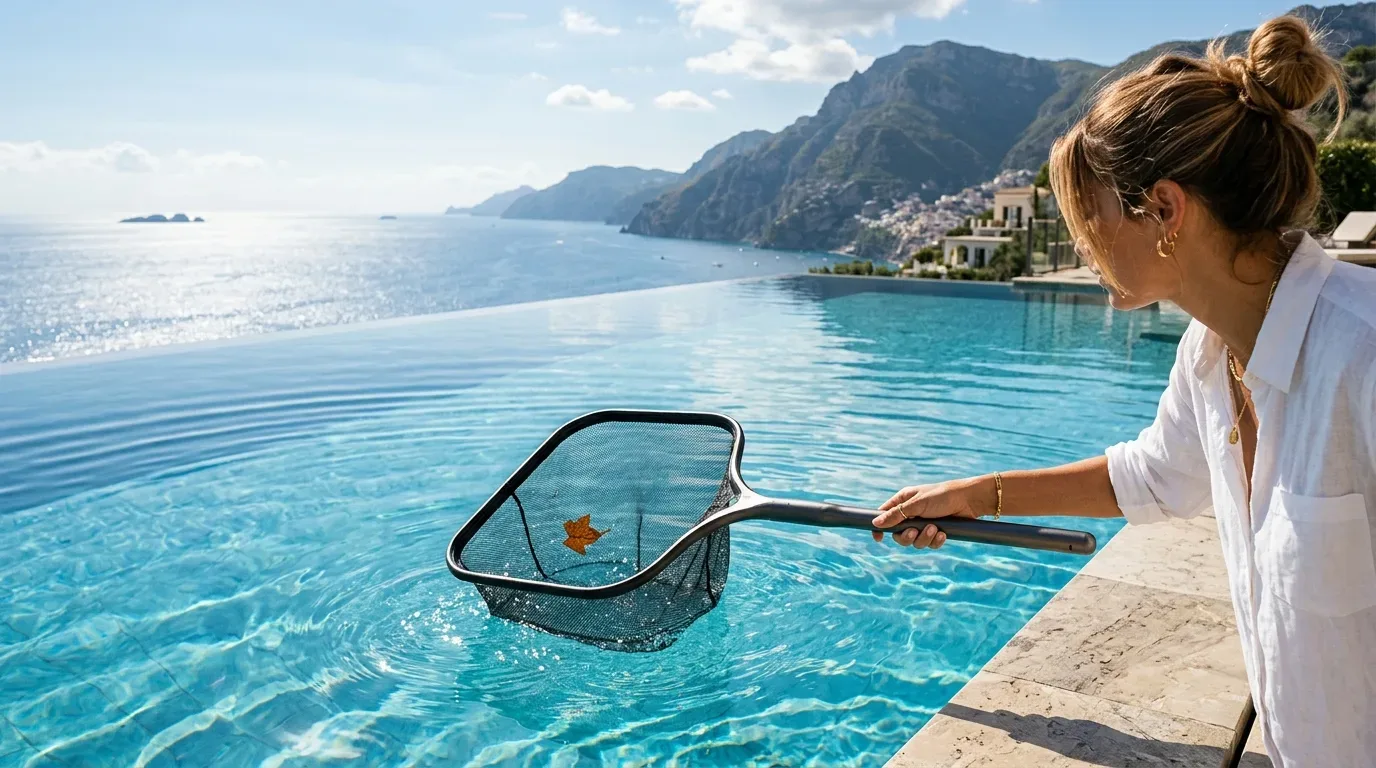
Throughout summer, your pool will require consistent attention. Daily, skim the surface for leaves and debris using a sturdy leaf net. This simple step prevents organic matter from sinking and breaking down, which can contribute to algae growth and strain your filter. Weekly, dedicate time for more thorough cleaning. Brush the pool walls and floor with a good quality pool brush (e.g., an 18-inch nylon brush for vinyl liners or a wire brush for concrete) to prevent algae and calcium buildup. Vacuum the pool bottom; for smaller pools, a manual vacuum might suffice, but for larger pools, a robotic cleaner offers unparalleled convenience and efficiency. Check your filter pressure gauge regularly. When it rises 8-10 PSI above its clean operating pressure, it’s time to clean your filter—backwash sand filters, rinse cartridge filters, or recharge DE filters. This ensures optimal filtration and water clarity.
Crucially, test your water chemistry 2-3 times per week, especially during heavy use or after rain. Maintain your pH, alkalinity, and calcium hardness within the recommended ranges, and keep your free chlorine level between 1-3 ppm. Consider using eco-friendly cleaners and algaecides as part of your routine to minimize chemical impact while still effectively managing water quality. These regular cleaning tips are vital for a consistently pristine pool.
Preparing for the Wind-Down: Early Fall Steps
As autumn approaches, signaling the end of the swimming season, you'll want to gradually prepare your pool for its winter slumber. Continue your regular cleaning routine, but pay extra attention to removing leaves and organic debris. The less organic material in the pool when you close it, the better. Start adjusting your chemical levels to prepare for winterization, ensuring everything is stable before the final closing process begins. This proactive approach makes the eventual pool closing much smoother and more effective.
Winter Slumber: The Essential Pool Closing Procedure
Properly closing your pool is arguably even more critical than opening it. A meticulous winterization process protects your investment from freezing temperatures and ensures a smooth, trouble-free opening next spring. This isn't a task to rush; it demands precision and attention to detail.
Chemical Balancing for Winterization: The Crucial Step
About a week before you plan to close, perform a final deep cleaning: brush the walls, vacuum thoroughly, and backwash your filter. Then, balance your water chemistry one last time. Adjust pH to 7.4-7.6, alkalinity to 80-120 ppm, and calcium hardness to 180-220 ppm. Once balanced, add a winterizing chemical kit, which typically includes a concentrated algaecide, a stain preventative, and a non-chlorine shock. Follow the product instructions carefully regarding dosages and circulation times. Lower the water level according to your pool type and climate; generally, for skimmer-level closing, lower it below the skimmer mouth. For pools with solid covers, you might lower it a few inches below the return jets. But what would happen if you skipped draining the lines, even in a mild winter? Freezing water can expand and crack pipes, leading to incredibly expensive repairs. It's simply not worth the risk.
Equipment Disconnection & Storage: Protecting Your Investment
With chemicals added and water levels adjusted, it's time to protect your equipment. Drain all water from your pump, filter (sand filters should be backwashed and left in the winterize position, cartridge filters cleaned and removed, DE filters backwashed and grids removed), heater, and any other plumbing lines. Use a powerful shop vac or air compressor to blow out all lines, ensuring no water remains that could freeze and cause damage. Install winterizing plugs in all return lines and skimmer openings. Remove skimmer baskets, ladders, diving boards, and any other accessories, cleaning and storing them in a dry, safe place. If you have an automatic cleaner, drain it and store it properly. Finally, install your winter cover. Whether it's a mesh safety cover or a solid tarp cover, ensure it's securely fastened to protect your pool from debris, sunlight, and the elements throughout the colder months. Investing in a good quality cover is, in my opinion, paramount for long-term home maintenance.
Beyond the Basics: Advanced Tips & Professional Insight
While the seasonal opening and closing procedures form the backbone of pool cleaning, a few extra considerations can elevate your pool care game and offer peace of mind.
Choosing the Right Tools & Products
Quality tools make all the difference. Invest in a robust leaf skimmer with a deep net, a reliable telescoping pole, and a durable brush. For chemical testing, as mentioned, liquid test kits provide superior accuracy for critical parameters. When it comes to chemicals, research brands known for purity and effectiveness. For those concerned about environmental impact, explore options for salt-chlorine generators or mineral systems, which can reduce the reliance on traditional chlorine, offering a more eco-friendly cleaner approach to sanitization. Always store chemicals safely and according to manufacturer instructions, away from direct sunlight and out of reach of children and pets.
When to Call the Pros
While many homeowners can confidently handle seasonal pool tasks, there are times when calling in professional cleaning services or pool technicians is wise. If you encounter persistent chemical imbalances you can't resolve, significant equipment malfunctions, or complex repairs, a professional can diagnose and fix issues efficiently, saving you time and potential further damage. For instance, winterizing a complex inground pool with intricate plumbing lines can be daunting, and a professional can ensure every line is properly drained, preventing costly freeze damage. Don't hesitate to seek expert help, especially if you're new to pool ownership or your pool presents unique challenges. Often, their expertise can prevent larger issues down the road.
Mastering the seasonal pool cleaning schedule is a skill that pays dividends in enjoyment, longevity, and peace of mind. By following these comprehensive steps for both opening and closing, supported by consistent routine care, you ensure your pool remains a pristine, inviting haven for years to come. Take pride in your pool, commit to these vital maintenance cycles, and you’ll be rewarded with a sparkling oasis, ready for any splash or relaxation you desire. For more detailed guides and expert advice on all aspects of home maintenance and cleaning, continue exploring Clean & Cleaner.