






Unlock the Secret to Spotless Carpets: The Right Solution
A beautiful carpet can transform a room, adding warmth, comfort, and style. But let’s be honest, life happens, and carpets inevitably face spills, dirt, and wear. The key to restoring their pristine condition isn’t just about owning a powerful carpet cleaner; it’s fundamentally about selecting the right carpet cleaner solution for the job. Using the wrong solution can do more harm than good, potentially damaging fibers, setting stains, or leaving behind undesirable residues. As a seasoned cleaning professional, I’ve seen it all, and I can tell you that an informed choice makes all the difference in effective deep cleaning and prolonging your carpet’s life.
Table Of Content
- Unlock the Secret to Spotless Carpets: The Right Solution
- Understanding Your Carpet’s Foundation: Fiber Type is Paramount
- Wool Carpets – The Natural Beauty
- Synthetic Carpets – Durability Meets Versatility
- Blends and Specialty Fibers
- Deciphering Carpet Cleaner Formulations: What’s in the Bottle?
- Detergent-Based Cleaners
- Enzyme-Based Cleaners
- Oxygen Boosters (Oxy Cleaners)
- pH-Neutral & Eco-Friendly Options
- Tackling Specific Stains and Odors with Precision
- Pet Stains and Odors
- Food and Drink Spills
- General Dirt and Grime
- Safety, Application, and Knowing When to Call the Pros
- Always Test First
- Following Manufacturer Guidelines
- When to Call the Pros
- Empowering Your Carpet Care Journey
This comprehensive guide will demystify the world of carpet cleaning solutions, helping homeowners, DIY enthusiasts, and renters confidently choose the ideal product for their specific carpet type and stain challenges. We’ll dive into the nuances of wool versus synthetic fibers, break down different chemical formulations, and provide actionable cleaning tips to ensure your carpets look their best. Let’s get started on making those carpets shine!
Understanding Your Carpet’s Foundation: Fiber Type is Paramount
Before you even think about grabbing a bottle, the first and most critical step is to identify your carpet’s fiber type. Why does this matter so much? Because different fibers react differently to various chemicals, pH levels, and cleaning methods. What works wonders on a synthetic carpet could irreversibly damage a delicate wool one. Honestly, this is the most common mistake I encounter in house cleaning scenarios.
Wool Carpets – The Natural Beauty
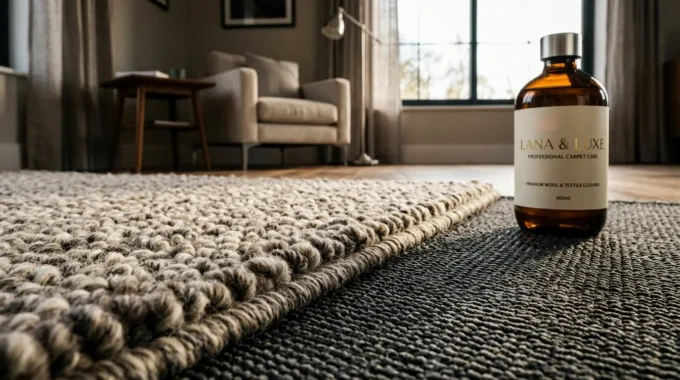
Wool carpets are prized for their softness, durability, and natural stain resistance. However, they are also highly sensitive, particularly to high pH (alkaline) solutions and harsh chemicals. Using a strong alkaline cleaner on wool can cause fiber yellowing, shrinkage, or even dissolve the natural lanolin oils that protect the fibers. For wool, you absolutely must use pH-neutral or slightly acidic solutions specifically labeled “wool-safe.” Avoid cleaners containing enzymes, as these can digest the protein fibers of wool, leading to damage. Look for cleaners that are gentle, often plant-based, and designed to preserve the fiber’s integrity. Brands like Woolite or specific professional wool cleaners are often excellent choices.
Synthetic Carpets – Durability Meets Versatility
Synthetic carpets, such as nylon, polyester, and olefin (polypropylene), are incredibly popular due to their affordability, durability, and excellent stain resistance. Nylon is known for its resilience and ability to bounce back, while polyester is celebrated for its luxurious feel and resistance to water-soluble stains. Olefin is highly resistant to moisture and fading. These fibers are generally much more forgiving than wool, tolerating a wider range of cleaning solutions. Most general-purpose carpet cleaners are formulated for synthetic carpets. You can often use stronger detergents, oxygen boosters, and even enzyme-based cleaners without worry. However, they can sometimes be prone to “wicking,” where stains reappear as the carpet dries due to residual moisture and dirt, emphasizing the importance of thorough rinsing.
Blends and Specialty Fibers
Many carpets are a blend of natural and synthetic fibers, aiming to combine the best qualities of both. For these, it’s always safest to err on the side of caution and treat them as if they were the more delicate fiber (e.g., if it contains wool, use a wool-safe cleaner). Specialty fibers like sisal, jute, or silk are extremely delicate and often require dry cleaning methods or very specific, minimal moisture treatments. In my opinion, for these truly unique and delicate materials, it’s almost always best to consult professional cleaning services rather than risking damage with DIY attempts.
Deciphering Carpet Cleaner Formulations: What’s in the Bottle?
Once you know your carpet fiber, the next step is to understand what different cleaning solutions actually do. The market is flooded with options, each designed for specific purposes. Knowing the active ingredients will empower you to make an informed decision and achieve superior cleaning results.
Detergent-Based Cleaners
These are perhaps the most common type of carpet cleaner solution. Detergent-based cleaners work by using surfactants (surface-active agents) that break down the surface tension of water, allowing it to penetrate carpet fibers more effectively. They lift and suspend dirt and grime, making it easier to extract. While highly effective for general dirt and many common stains, the downside is that they can leave behind a sticky residue if not thoroughly rinsed. This residue then acts like a magnet for new dirt, causing your carpet to re-soil faster. Always ensure proper rinsing with clean water when using these solutions, especially in hot water extraction machines.
Enzyme-Based Cleaners
Enzyme cleaners are biological solutions containing specialized enzymes (like protease, lipase, and amylase) that break down organic matter such as urine, feces, vomit, food spills, and blood. They literally “digest” the proteins, fats, and starches that make up these stains and their associated odors. These are your go-to for pet stains and odors. Unlike simple deodorizers that mask smells, enzyme cleaners eliminate the source of the odor. Remember, enzymes need time to work, so allow for adequate dwell time as per the manufacturer’s instructions. As mentioned, avoid these on wool carpets.
Oxygen Boosters (Oxy Cleaners)
Oxygen boosters, often containing hydrogen peroxide or sodium percarbonate, work by releasing oxygen bubbles that lift and break down stains. They are excellent for brightening dull carpets, removing tough organic stains (coffee, wine, juice), and neutralizing odors. They are generally safe for synthetic carpets and can be a powerful addition to your deep cleaning arsenal. They typically leave minimal residue and are a popular choice for their stain-lifting and sanitizing properties. Always test an inconspicuous area first, as some older or dyed carpets could experience slight color lifting.
pH-Neutral & Eco-Friendly Options
For those prioritizing safety for children, pets, or the environment, eco-friendly cleaners are an excellent choice. Many utilize plant-derived ingredients and avoid harsh chemicals, dyes, or fragrances. Vinegar and baking soda are common DIY eco-friendly options, but I must add a caveat: while they can be effective for minor spills, they often lack the cleaning power for deeply embedded dirt and can sometimes leave a residue themselves if not properly diluted and extracted. For professional-level eco-friendly results, look for certified green cleaning products designed for carpet extractors. These often maintain a neutral pH, making them ideal for wool and sensitive fibers.
Tackling Specific Stains and Odors with Precision
Understanding fiber types and cleaner formulations is crucial, but let’s get down to the practical application. What would you do in this situation? Imagine your beloved pet has had an accident on your living room carpet, leaving both a visible stain and a lingering odor. This is where targeted solutions shine.
Pet Stains and Odors
For pet accidents, enzyme-based cleaners are non-negotiable. They specifically target the uric acid crystals in pet urine, which are responsible for the pungent odor. Simply cleaning the visible stain without addressing the underlying odor source will result in the smell returning, especially in humid conditions. Look for products specifically formulated as “pet odor and stain removers” that clearly state they contain enzymes. Apply generously, allow adequate dwell time (often 10-30 minutes, or longer for severe odors), and then blot thoroughly before extracting. For deeper penetration into the carpet pad, consider using a carpet extractor with an enzyme solution.
Food and Drink Spills
Different food and drink spills require different approaches. For greasy food stains, a cleaner with a degreasing agent or a stronger detergent solution is effective. For red wine or coffee, oxygen boosters work wonders by breaking down the color pigments. For sugary drinks, a simple solution of dish soap and water followed by thorough rinsing can often suffice. The key here is speed and blotting. The faster you address the spill, the less likely it is to set. Always blot, never rub, to avoid spreading the stain and damaging carpet fibers. Many dedicated “spot and stain removers” are available and excel at these specific challenges.
General Dirt and Grime
For routine home maintenance and general dirt accumulation, a good quality all-purpose carpet cleaner solution designed for your fiber type will work well with your carpet cleaning machine. Detergent-based cleaners, when used correctly with proper rinsing, are excellent for this. Oxygen boosters can also be incorporated to brighten the carpet and refresh its appearance during a deep cleaning session. Regular vacuuming is your first line of defense, but every 6-18 months, a thorough clean with the right solution will rejuvenate your carpets.
Safety, Application, and Knowing When to Call the Pros
Even with the perfect solution, proper application and safety precautions are paramount. Neglecting these steps can lead to poor results or even health risks.
Always Test First
This is a rule I preach repeatedly: always test any new cleaning solution on an inconspicuous area of your carpet (e.g., inside a closet, under a piece of furniture) before applying it to a larger visible area. Apply a small amount, let it sit for 10-15 minutes, then blot dry. Check for colorfastness, fiber damage, or any adverse reactions. This simple step can save you from costly mistakes.
Following Manufacturer Guidelines
Every carpet cleaner solution comes with specific instructions for dilution, application, and dwell time. These aren’t suggestions; they are crucial for optimal results and safety. Over-diluting can render a cleaner ineffective, while under-diluting (or using it concentrated) can damage fibers, leave excessive residue, or pose health risks. Always ensure good ventilation when cleaning, and wear gloves to protect your skin, especially with stronger formulations. Proper rinsing is critical to prevent residue buildup, which can attract dirt and lead to faster re-soiling.
When to Call the Pros
While DIY carpet cleaning is empowering, there are times when professional expertise is invaluable. For extensive damage, delicate or antique rugs, large areas, or persistent odors and stains that your best efforts can’t conquer, it’s wise to engage professional cleaning services. Professionals have access to industrial-grade equipment, specialized solutions (including advanced stain removal techniques and powerful extractors), and extensive knowledge of various carpet types. They can often achieve results that are simply not possible with consumer-grade products, ensuring your investment in your carpets is protected.
Empowering Your Carpet Care Journey
Choosing the right carpet cleaner solution doesn’t have to be a guessing game. By understanding your carpet’s fiber type, the science behind different cleaning formulations, and the specific needs of various stains, you are now equipped to make informed decisions. This knowledge empowers you to maintain your home’s carpets effectively, ensuring they remain clean, fresh, and beautiful for years to come.
Remember, a little research goes a long way. Always read labels, perform patch tests, and don’t hesitate to seek professional help when the task demands it. With these cleaning tips, your carpets will not only look great but also contribute to a healthier, more inviting living environment. Happy cleaning!